

Making dental care easier for every child

Dental visits for children can be challenging. It’s important to share information about your child and their specific needs with their dental office such as communication skills, activity level, impulse control, motor skills, and sensory preferences.
Sensory sensitivity?
Some children experience smell, sight, sound, touch, and taste differently. This means they can be more or less sensitive to these things. Going to the dentist involves a lot of our senses.
Try these strategies:
- Wear headphones or play music
- Wear sunglasses or use a visual distraction
- Bring a weighted blanket
- Include movement breaks
- Move through the appointment steps slowly
- Explore additional sensory strategies for teeth brushing
- Some children engage in behaviours or have sensory preferences that can impact their oral health. This could include teeth grinding, tapping or hitting their mouth, chewing non-food items, eating sugary foods, and experience falls or injuries. Reach out to an occupational therapist or dental care provider for support.
Language difficulties?
If your child has difficulty understanding or expressing language, dental visits could lead to anxiety. Your child might not understand why they are at the dentist, what is expected, or how to communicate their needs in the moment.
Try these ideas:
- Use a social story (book or video) to help them understand the steps and what it might look like.
- Keep instructions simple. Use short, clear phrases like “Open mouth,” “Big breath,” and “All done soon.”
- Practise and prepare. As part of the social story, make a plan for what your child can do when certain needs arise. For example:
- “If the light is too bright, I can wear my sunglasses,”
- “If I need a break, I can wave my hand.”
Request the dental social story resource
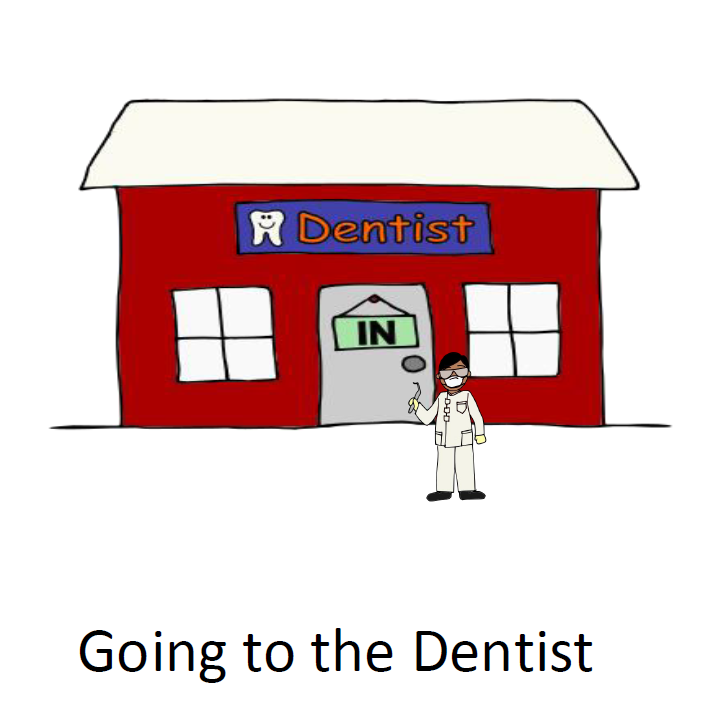
Is going to the dentist a new experience?
Going to a new place with unfamiliar sights, sounds, and routines can be hard for young children.
Try these ideas:
- Early visits to the dentist, with short, less invasive visits to start.
- Using a social story to help your child understand that they will be going to see a dentist, what’s involved, and what it might look like.
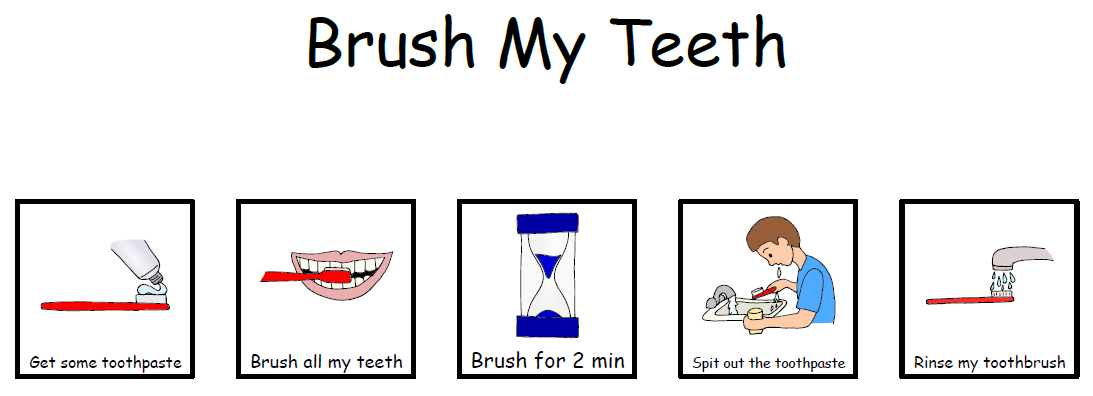
- Practise at home: Let your child practise opening their mouth for a count of five, touching a toothbrush to their teeth, or using a vibrating toothbrush if they can tolerate it. Try the “Brush my Teeth” task strip.
- Bring items that will be a comfort to your child like a favourite stuffy or sensory item.
Request the Brush my Teeth task strip resource
Fluoride treatments
Most dental care professionals recommend fluoride treatments. This is something beyond tooth brushing your dentist can provide for you in the office. If you have any questions or concerns about fluoride, they can answer them.
Learn more about fluoride treatments and early oral health:
Request the Oral health: Pregnancy to first year resource

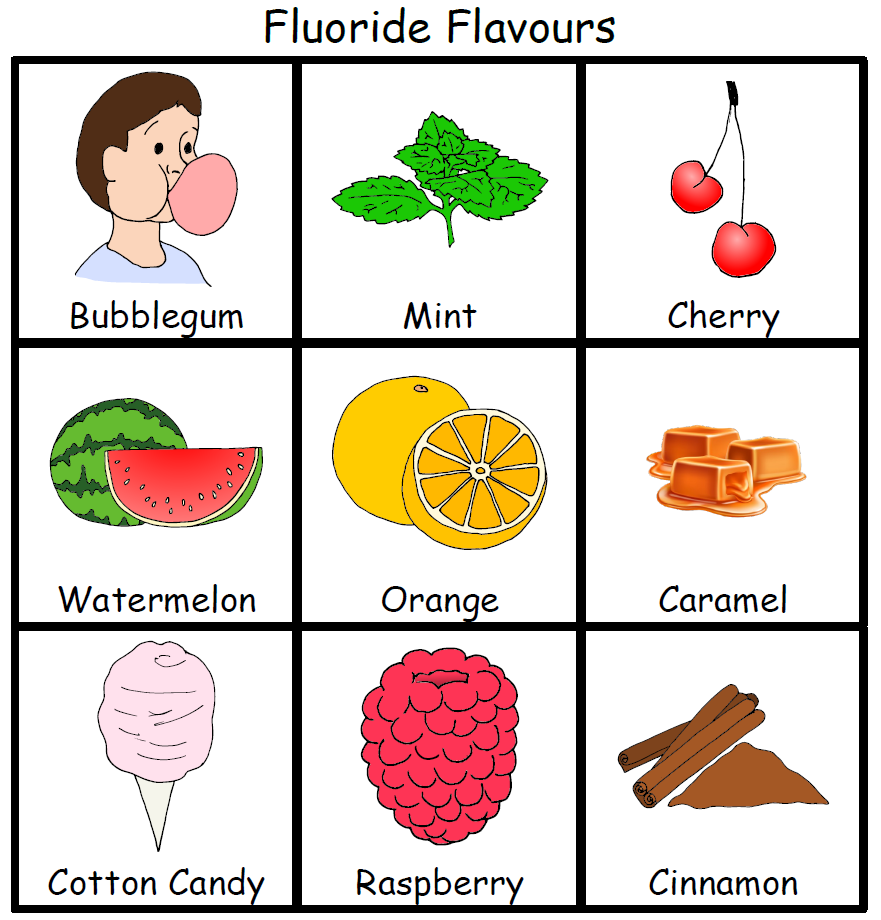
Use a visual choice board to help children choose a fluoride flavour.
Request the Fluoride flavours visual choice board
After the visit
- Celebrate success. Even if things don’t go perfectly, acknowledge any progress.
- Schedule the next appointment in advance. Keep visits consistent to build familiarity.
- Provide recovery time. Some children need downtime after a sensory-rich experience.
By using these accommodations, you can help create a more comfortable and successful dental experience for your child.
Speak with your dentist about additional options tailored to your child’s unique needs.
1-888-503-8885 or 613-283-2742
