

Food skills
Cooking with confidence, small steps big benefits
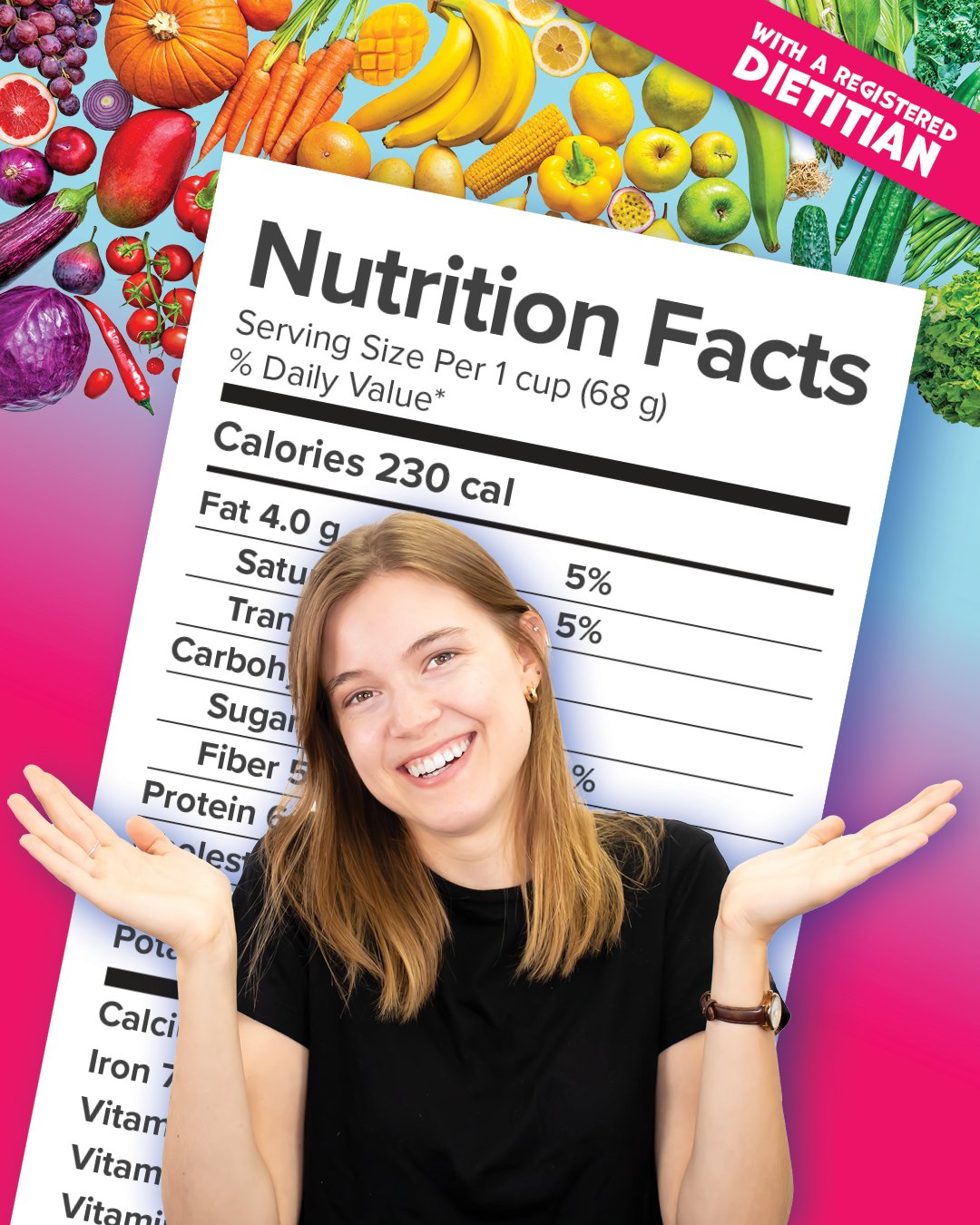
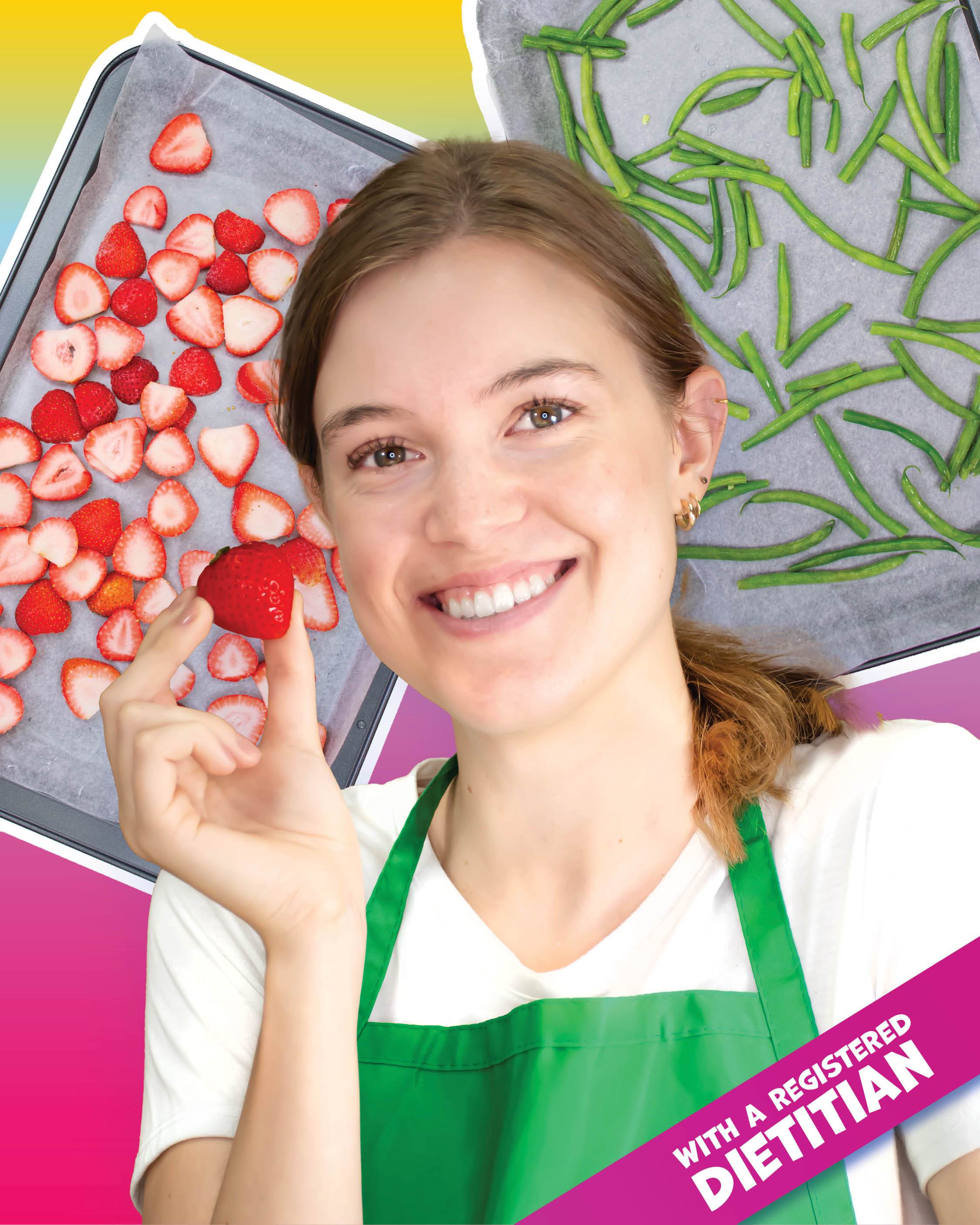
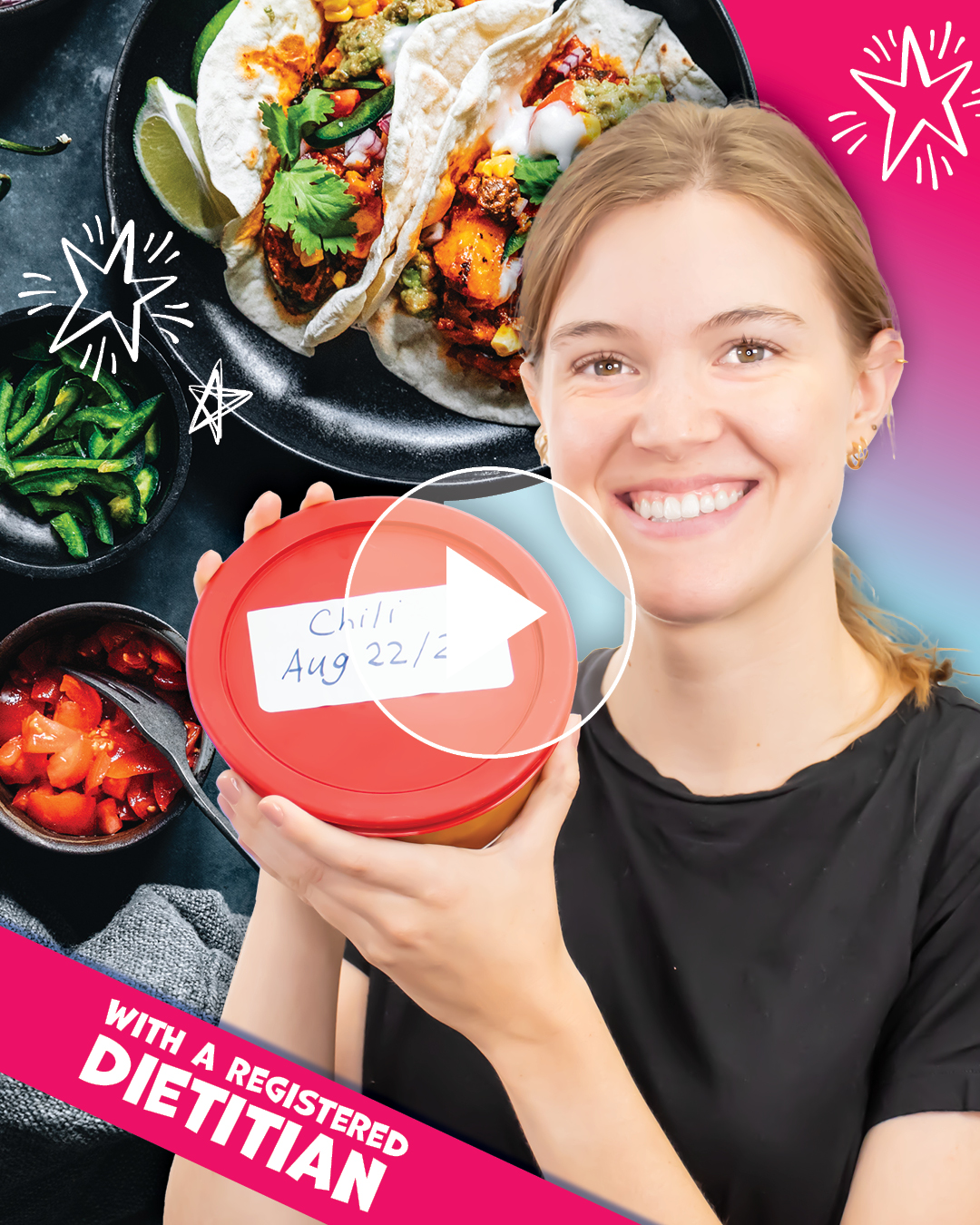
Watch our series of helpful short videos for tips on cooking and food preparation:

Food literacy
Food literacy is a broad term and involves:
- Food nutrition and knowledge: Knowing about food and where it comes from using trustworthy information.
- Food decisions: Making food choices that work for you and your family’s eating patterns.
- Ecological factors (external): Systems and environments such as our community connections, cultures, traditions, and where we live all play a role in the food we eat.
- Food skills and self-efficacy and confidence: Food skills and feeling confident in the kitchen, as well as shopping for, preparing, and eating food safely.
Planning your meals
Planning meals ahead of time can have big benefits like preventing food waste, helping you save money and time, and allowing you to prepare tasty and balanced meals. There’s no right or wrong way to plan meals. Starting small and planning for just a few days can go a long way!
Decide what to eat
When you are planning your meals, it can be helpful to think about:
- Your schedule and how much time you have to cook
- What you already have on hand
- Check your fridge, cupboards and freezer – what needs to be used up soon? Try to use fresh vegetables and fruit first to prevent them from spoiling.
- Check flyers and coupon sites online for foods on sale. Then you can look for recipes that use these foods.
- Consider what is in season. Vegetables and fruit that are in season are usually less expensive.
Make a shopping list
- You can do this in whatever way works best for you. A simple pen and paper work great! Or you may prefer an electronic option. There are plenty of helpful recipe-storing and list-making apps the whole family can use.
- You can keep your meal plans and favourite recipes to reuse for future meal planning. Try keeping them in a binder, or electronically with an app.
Resources
- Menu Planning Tool – Unlock Food: Create customized meal plans that work best for you and your family.
- 7 Steps for Quick and Easy Menu Planning – Unlock Food
- 10 Tips for Planning Meals on a Budget – Unlock Food
Grocery shopping
How you grocery shop affects what you eat, how much you spend, and can make it easier to prepare foods.
Saving money while grocery shopping
To help you save money:
- Look to see which stores have the best sales for your grocery list items and opt to shop there if you are able. It can be helpful to become familiar with the regular prices of the foods you buy often. This way you will be able to figure out which stores have the best deals.
- Compare unit prices for similar items to see which is the better deal. The unit price tells you how much an item costs per “unit” or per 100 grams (g) or 100 millilitres (mL). The unit price is usually found in smaller print under the main price. When comparing unit prices, the lower price per 100 g or 100 mL of the two items is the better deal.
- Look for items on the top and bottom shelves. Usually, the more expensive items are placed on the middle shelves as companies will pay more to place their products at eye-level.
Take advantage of special discounts. Your grocery store may offer a “senior’s day” or a student discount day.
Reading food labels
Reading the Nutrition Facts Table can make it easy to compare similar foods and see which foods have a little or a lot of a certain nutrient.
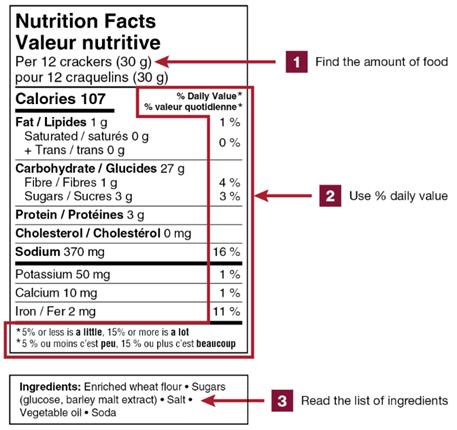
How to use food labels to make healthier choices – Canada’s Food Guide
What to look for on food labels
Serving size
- All the information listed below is based on this serving size. Remember to compare this amount to the amount you would actually eat. If the serving size is “five crackers”, but you eat 10 crackers, you will have to double the information.
Percent daily value (% DV)
- The % DV tells you if a food has a little or a lot of a nutrient. 5% DV or less is a little and 15% DV or more is a lot of a nutrient. You can use the % DV to compare the nutrient content of different foods. Nutrients you may want more of include fibre, iron, and calcium. Nutrients that you may want less of include trans-fat, sodium, and cholesterol.
Ingredients list
- Ingredients are listed in order from those the food contains the most of, to those the food contains the least of at the end of the list.
For more tips, here are 20 Ways to Save Money on your Groceries.
Food safety at the grocery store
Remember, food safety begins at the grocery store:
- Plan your outing so that the grocery store is your last stop on the way home. This way, your food will spend less time out of the fridge.
- Keep raw meats separate from other foods in your cart and when packing up your grocery bags. This prevents cross-contamination.
- Avoid buying dented cans, and ripped or open bags.
Storing food safely and making good use of leftovers
Storing food safely
Storing your food and using leftovers safely is important to keep food fresh, avoid food waste, and save money. Check out these helpful resources for tips on proper food storage:
- Ultimate Food Storage and Usage Guide – Food Storage A-Z – Love Food Hate Waste Canada
- Shelf-Life Guide – Love Food Hate Waste Canada
- How to store your produce in the fridge – Half Your Plate
- Produce Storage Guide – Half Your Plate
- Fridge Guide – Love Food Hate Waste Canada
How to store food safely in the refrigerator
Top shelf
- Ready-to-eat foods
Middle shelf
- Foods to reheat
Bottom shelf
- Raw foods
Tips
- Keep foods wrapped or covered
- Use shallow pans for quick cooling
- Store ready-to-eat foods above raw foods to prevent cross-contamination
"Best before" versus expiry dates
- A “best before” date gives you an idea of how long a food item will keep its quality, taste, and nutrition if it is stored properly.
- A best before date measures quality of the food, not the food safety.
- An expiration date refers to food safety.
- For more information on best before dates, check out Best Before Dates.
Leftovers
- Make sure to refrigerate leftovers right away, or freeze and enjoy later!
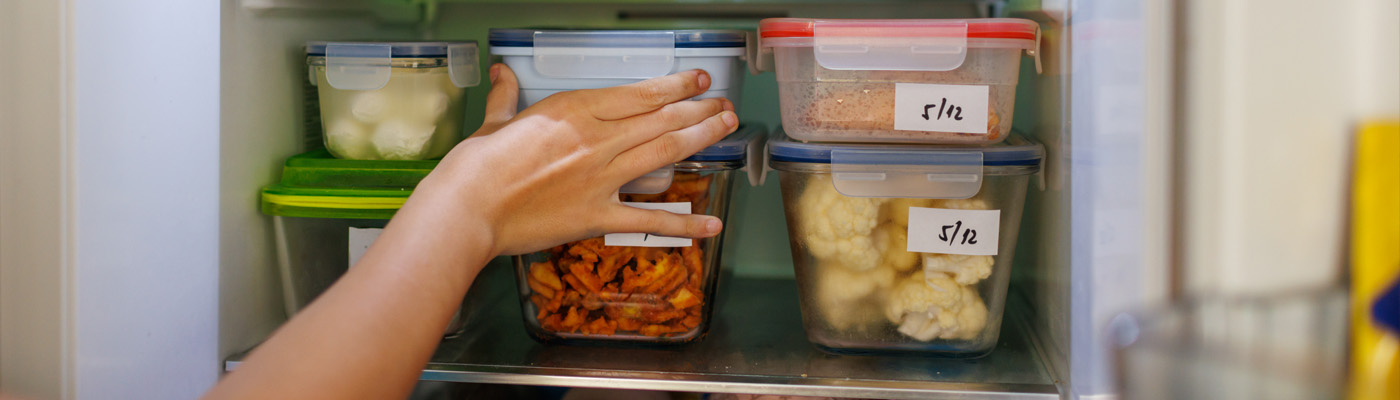
- Store your leftovers in a reusable container with a lid, and label with the date, so you don’t forget how long you’ve had them for.
- With Proper Storage of Leftovers, you can try using leftover ingredients to make another meal.
For more ideas, check out this Meal Planning Using Leftovers resource.
Preparing meals
Using recipes
Many people start with a recipe when they’re preparing meals. There are lots of easy recipes online, or you can find one that you’re interested in and modify it to suit food you have on-hand and what you like to eat.
Resources for using recipes:
Common kitchen items and terms
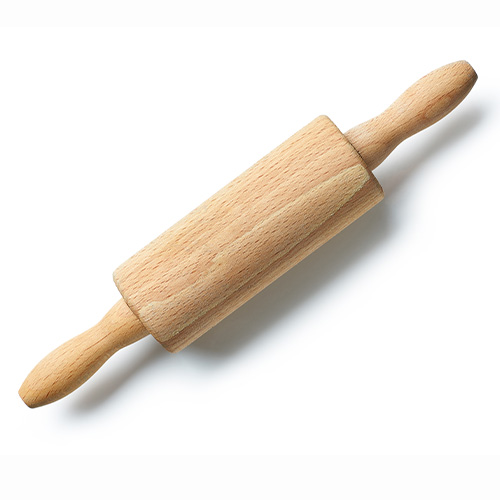
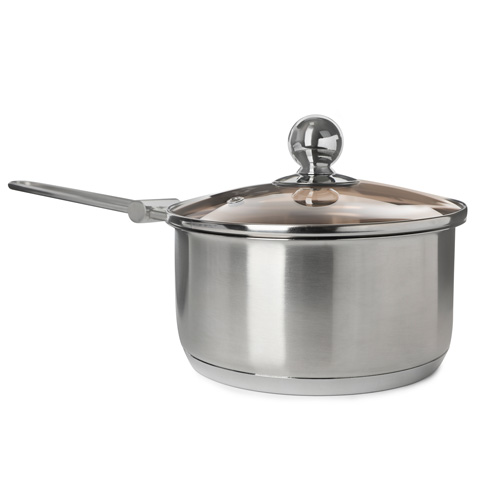
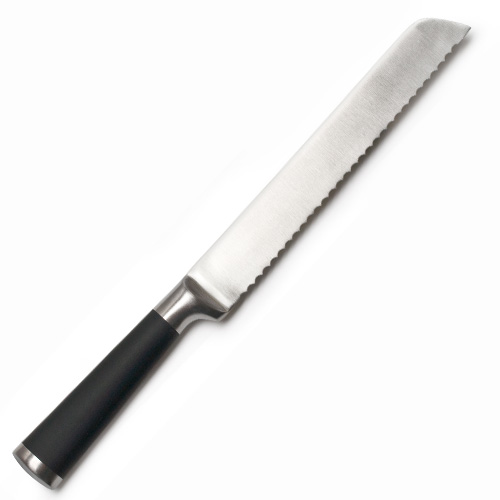
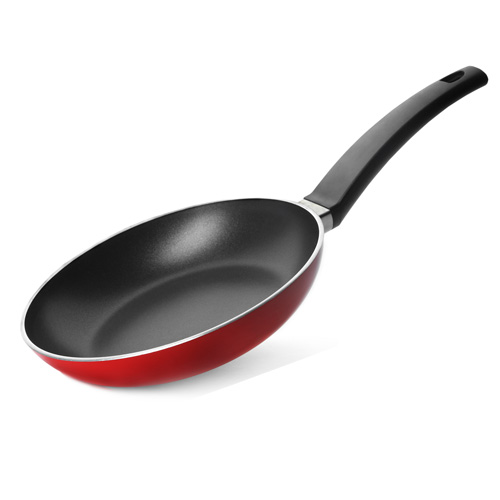
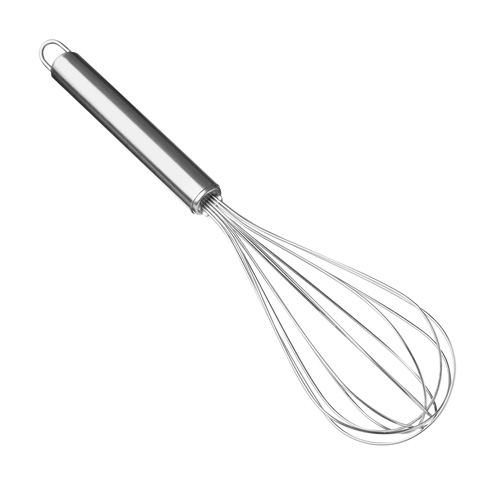
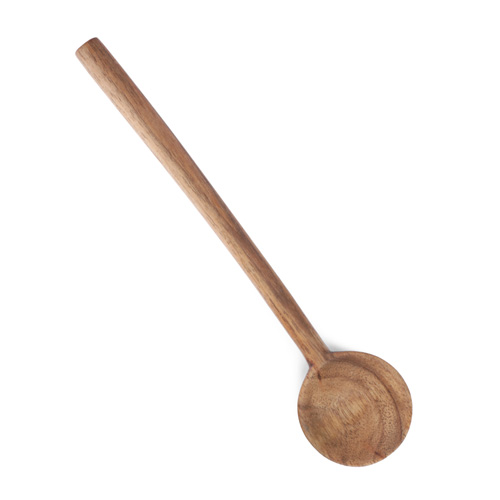
Common kitchen items
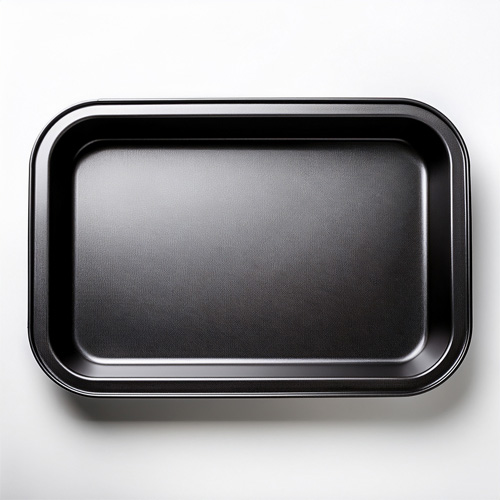
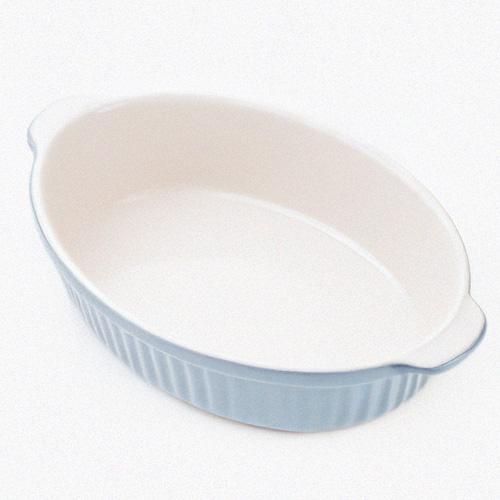

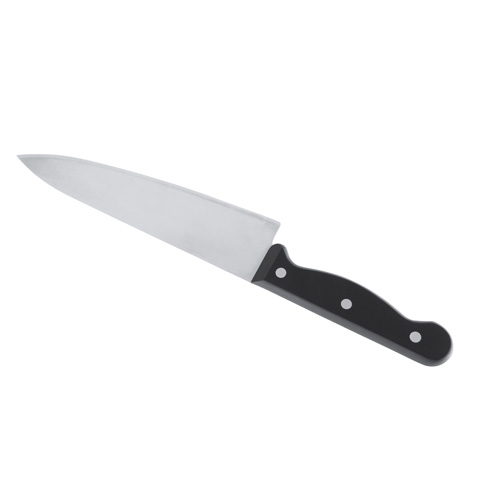
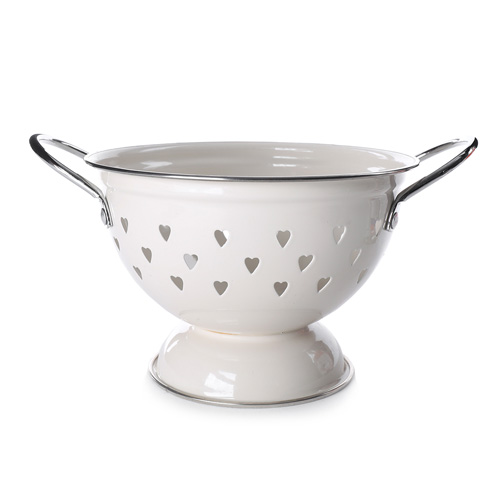
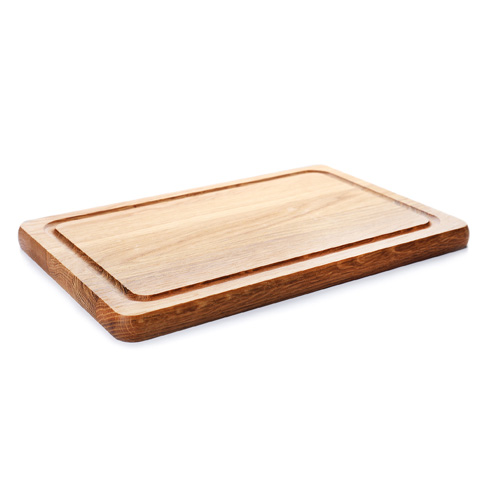
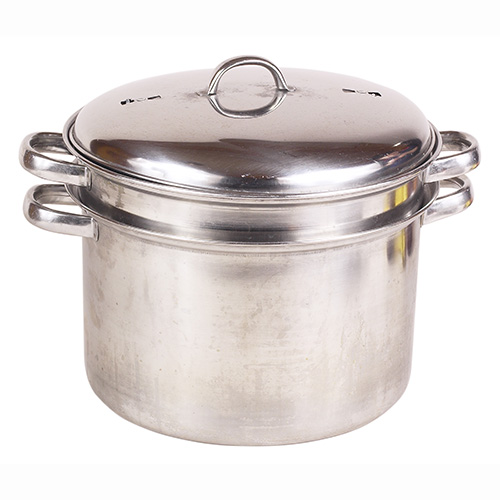
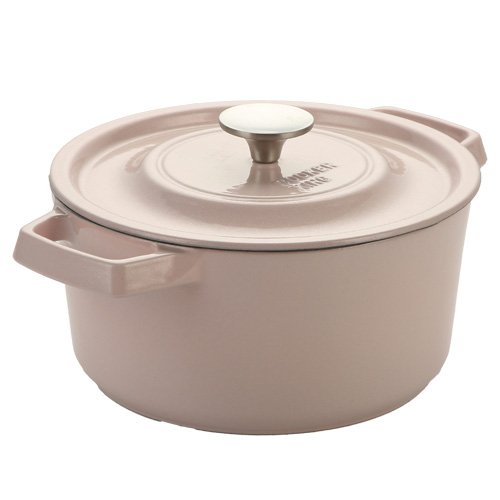
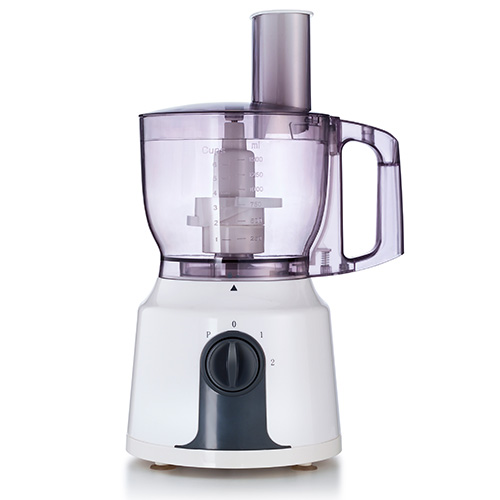
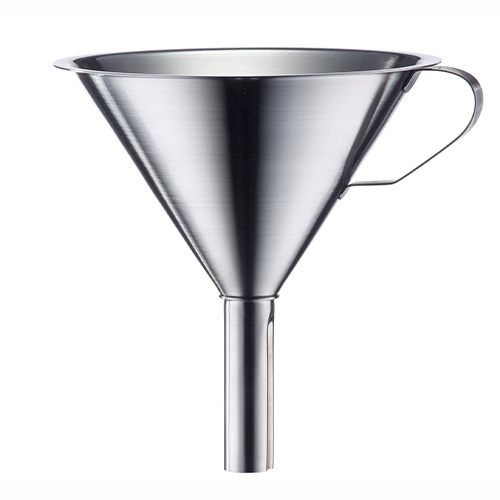
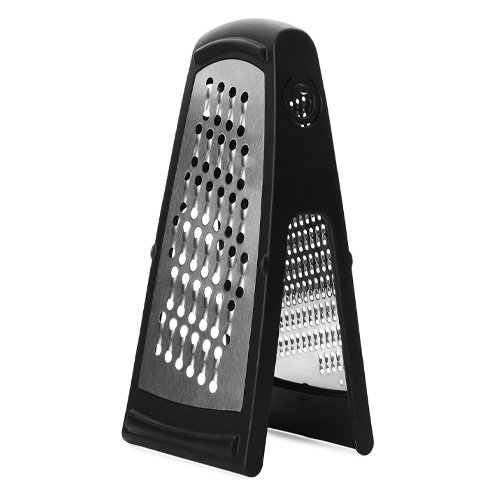
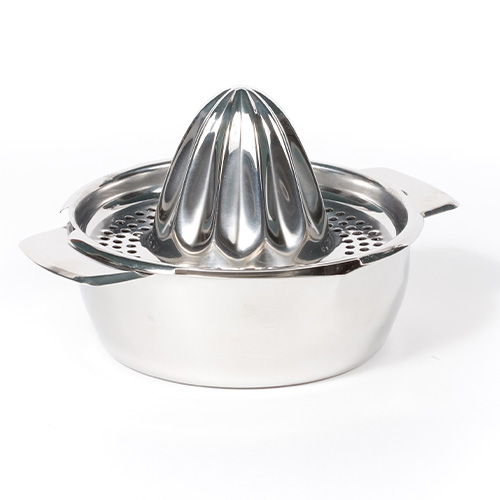
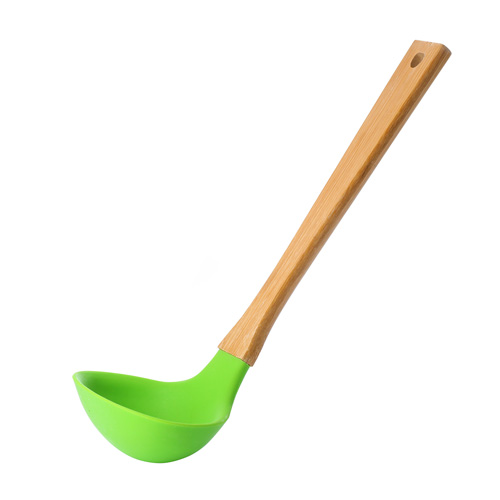
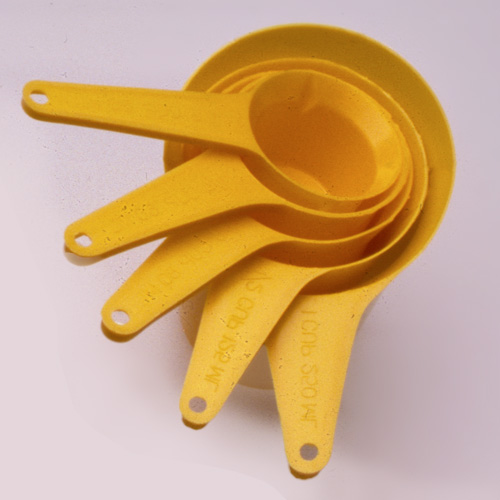
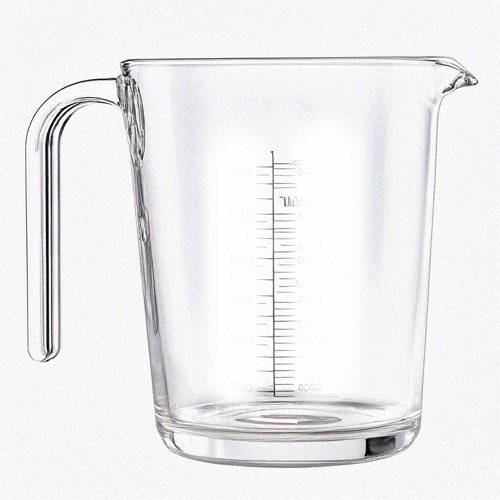
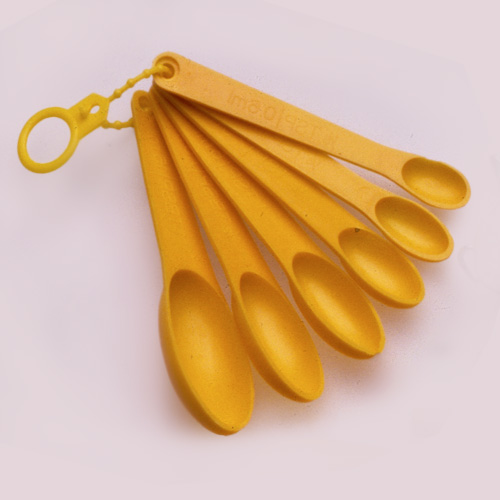
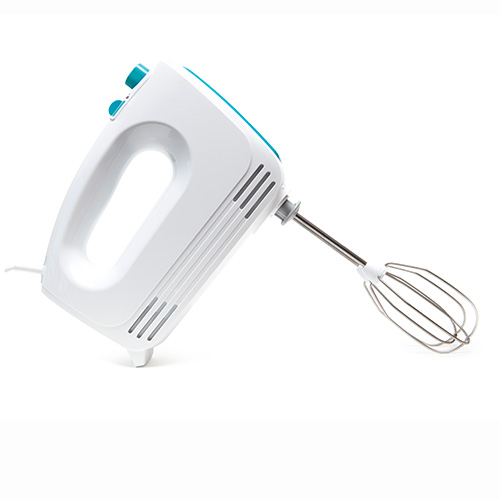
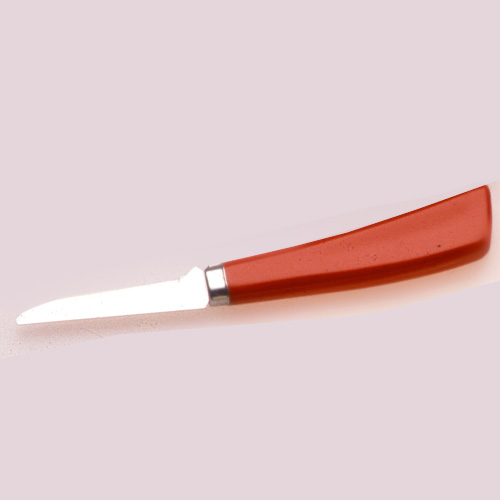
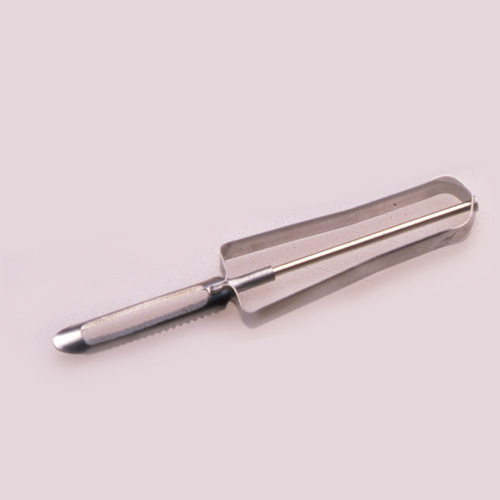
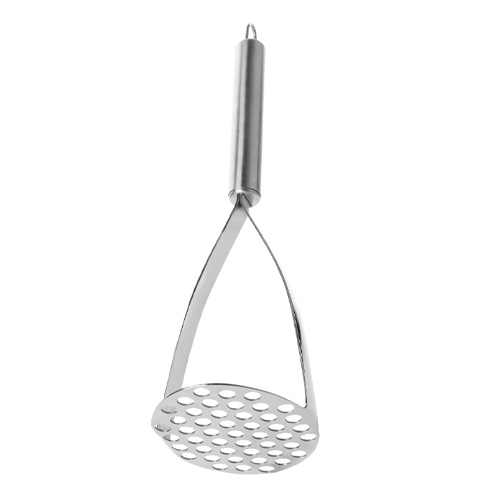
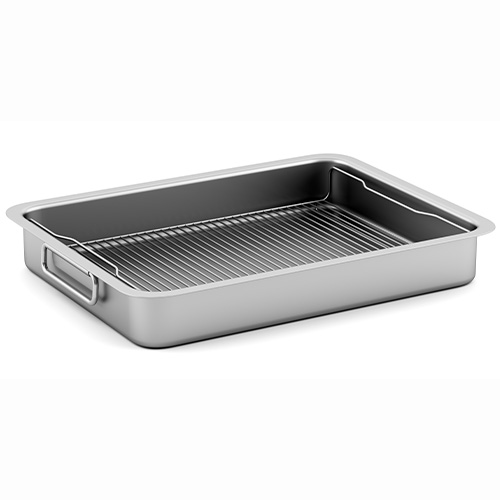
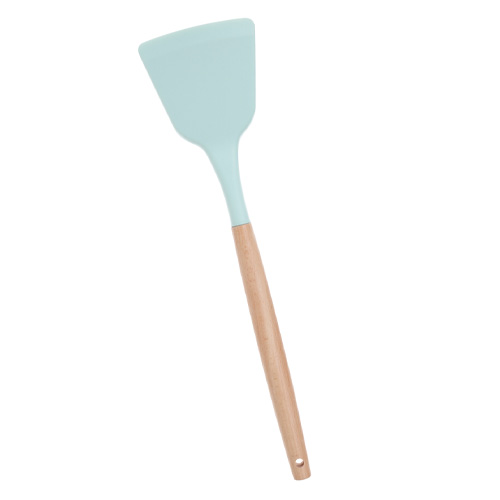
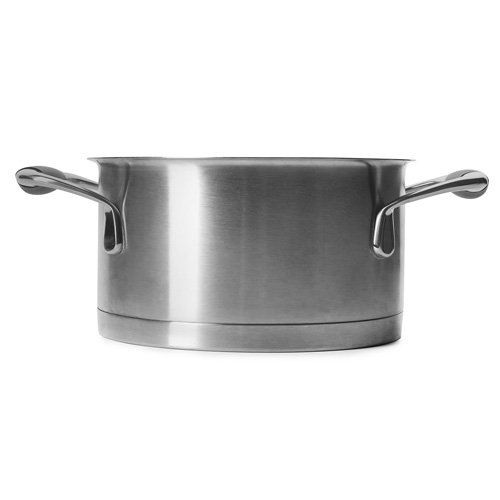
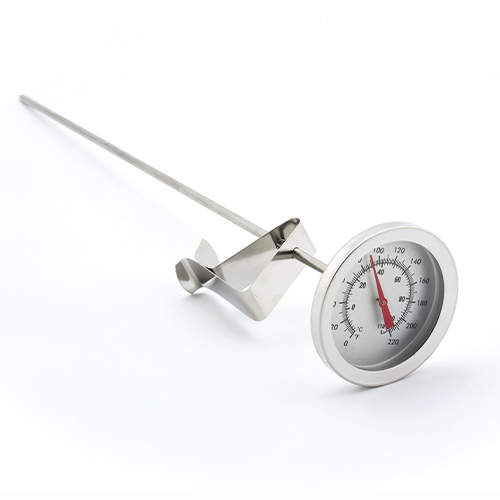
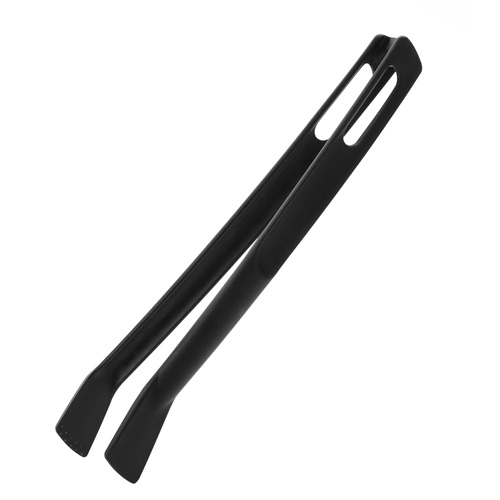
Cooking terms
- Al dente – Cooking foods like pasta or vegetables until just firm to the bite.
- Baste – To moisten food with juices, marinade, or sauce during cooking.
- Beat – To mix ingredients with a whisk, spoon, or mixer until smooth.
- Blanch – Boiling foods briefly, then plunging them into ice water to stop the cooking.
- Braise – Cooking food slowly in a small amount of liquid in a covered pot.
- Chop – Cutting food into small bite-sized pieces using a sharp knife and cutting board.
- Dice – Cutting food into small, uniform cubes.
- Fold – Gently combining ingredients by cutting down through and turning over.
- Grill – Cooking food on a rack over direct heat.
- Julienne – Cutting food into thin, matchstick-sized strips.
- Marinate – Soaking food in a seasoned liquid to add flavor.
- Mince – Cutting food into very small pieces.
- Sauté – Cooking food quickly in a small amount of fat over high heat.
- Simmer – Cooking in liquid just below the boiling point.
- Steam – Cooking food over boiling water in a covered pot.
- Stir-fry – Cooking small pieces of food quickly in a hot pan with constant stirring.
- Whisk – Beating ingredients with a wire whisk until blended.
Putting a meal together
You can also put together a meal based on what you already have in the kitchen using the plate method. Consider what sources of protein, grains, and fruits and vegetables you have that could go together.
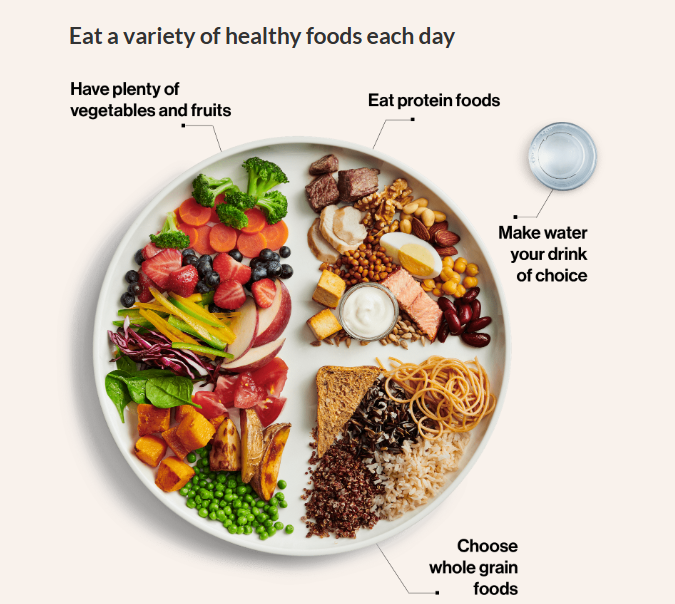
Canada’s food guide plate – text description
The Canada’s food guide plate shows the proportions of foods on a plate for healthy meals or snacks.
- On half of the plate are vegetables and fruits (broccoli, carrots, blueberries, strawberries, green and yellow bell peppers, apples, red cabbage, spinach, tomatoes, potatoes, squash and green peas).
- On one-quarter of the plate are protein foods (lean meat, chicken, variety of nuts and seeds, lentils, eggs, tofu, yogurt, fish, beans).
- On the remaining one-quarter of the plate are whole grain foods (whole grain bread, whole grain pasta, wild rice, red quinoa, brown rice).
Eat a variety of healthy foods every day
- Have plenty of vegetables and fruit
- Eat protein foods
- Make water your drink of choice
- Choose whole grain foods
Resources
Cooking techniques
After you’ve gathered your ingredients, the next step is preparing these foods, which might involve washing or rinsing, peeling, cutting, etc. Watch our helpful videos for more food preparation techniques.
Did you know that you don’t need to have fancy kitchen equipment or even an oven to cook? You can prepare food using a variety of methods and tools. Here are some common cooking techniques and examples of equipment that you can use:
Cooking different foods
Cooking doesn’t have to be complicated; you can make a new meal by simply adding a new vegetable like frozen peas into ramen, or adding a new protein like lentils to tomato sauce.
Resources
Save time and effort in cooking
Cooking can be a lot of effort, but you can make it easier by preparing foods in advance and cooking extra for leftovers. Here are some tips:
- Double the recipe so you can have leftovers or freeze extra portions.
- When you have more time, prep your veggies and other ingredients. Choose simple one-pot or pan meals to cut down on clean-up.
Resources
Cooking for one or two
Some recipes might seem like too much food when you’re cooking for one or two. Check out these resources for adjusting your recipes so you aren’t eating the same food all week.
Resources
Preparing meals for specific diets
Lots of people need to adjust recipes based on food allergies, health conditions, or personal preferences. Sometimes this can be as simple as swapping out or leaving out an ingredient or may require more work to avoid cross-contamination with allergens.
- Planning for vegetarian diets
- Planning for vegan diets
- Tips for cooking with food allergies
- Recipes for Diabetes
- Heart Healthy Recipes
The information provided is general in nature and does not replace personalized therapeutic nutrition recommendations from a registered health-care provider. If you have specific dietary needs or health concerns, consult a qualified professional for individualized advice.
Food safety
Stay safe while preparing meals by keeping clean tools and a clean work surface, handling food safely, and keeping foods at appropriate temperatures to avoid bacteria growth.
- Wash your hands and work surfaces.
- Use different cutting boards and tools when working with raw meats and fish.
- Have a different cutting board for raw veggies, fruit, grains, meat and fish.
- Use a thermometer when cooking and don’t keep food in the danger zone (4°C to 60°C) for more than two hours.
- Keep food refrigerated until needed.
- Store back in the fridge or freezer promptly after cooking to cool down.
- Check your fridge periodically to make sure it’s the proper temperature.
Resources
Recipes
Need some cooking inspiration? Here are a variety of tasty and nutritious recipes for you and your household.
Recipe resource guide
- Recipes – UnlockFood.ca
- Recipe collection – Canada’s Food Guide
- Cookspiration – UnlockFood.ca
- Heart Healthy Recipes – Heart and Stroke Foundation
- Indigenous recipe collection – Aboriginal Nutritional Network
- Ingredients for a Healthier Tomorrow – Dietitians of Canada
Simple and quick recipes
- Five ingredients, five meals – Canada’s Food Guide
- Recipes that take 30 minutes or less – Canada’s Food Guide
Recipes using leftovers
- Rock what you’ve got: Recipes for preventing food waste – Guelph Family Health Study
- Recipes – Love Food Hate Waste Canada
- Reduce household food waste with food preservation tips – Love Food Hate Waste Canada
Recipes using seasonal produce
- Recipes – Foodland Ontario
- Seasonal recipes – Foodland Ontario
Plant-based recipes
- Recipes – Better with Beans
Recipes to increase vegetables
- Recipes – Half Your Plate
- How to make your veggies taste even better – Half Your Plate
- How to up your salad game – Half Your Plate