
Activity tips for speech and language development
Play and learn: Challenge your child with engaging activities that help them learn, grow, and thrive. These activities are brought to you by experts in child development at McMaster University and The University of Toronto.
You are your child’s best toy, and dads can be especially fun! Find out why rough-and-tumble games like chase and horsie riding are great for language learning.
Scroll down for fun activities that are great for building speech, language, and emergent literacy skills.
Special occasions
Celebrate Family Day by cooking a meal with your kids
Celebrate Family Day by cooking a meal with your kids. Turn off phones and screens and get the kids involved with making a meal. It’s important to sit down for a meal together every day. Meal time is a great opportunity to build language skills as well as good eating habits.
Make your own play dough for Valentine's Day
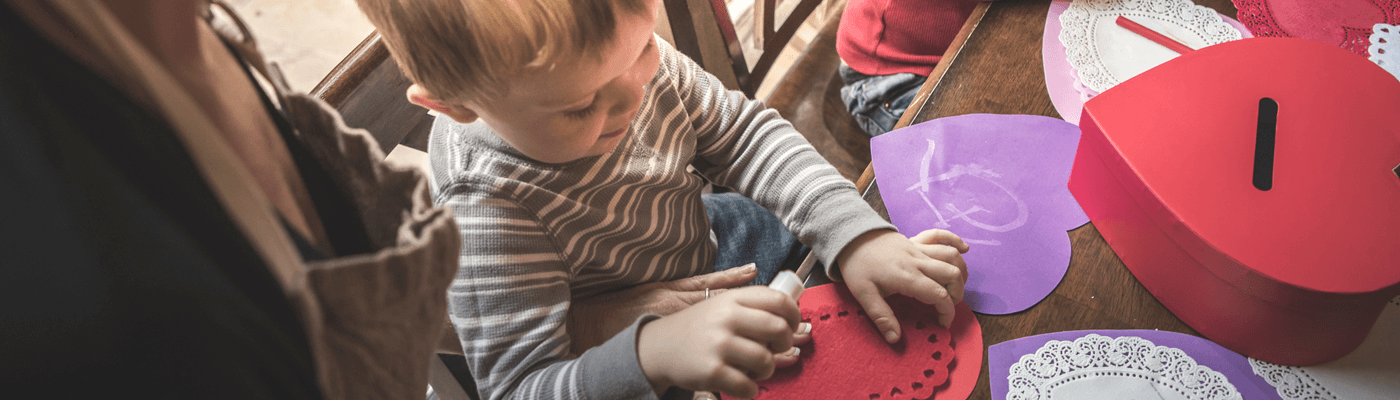
Make your own play dough for Valentine’s Day. Mix 1 cup of flour, half a cup of salt, 2 teaspoons of cream of tartar, 1 cup of boiling water, 2 tablespoons of vegetable oil, and a few drops of red food colouring. Try dividing the batch up and making different shades of red and pink. Then make play dough cakes and cookies, and have a party!
St. Patrick's Day craft
Try this St. Patrick’s Day craft. Talk about the different shapes you can cut out to make a shamrock. Enjoy St. Patrick’s Day!
It's Earth Day!
It’s Earth Day! Visit your local library and borrow a book about how young kids can help to look after our planet. Talk about the ideas in the book and choose one or two to try together. Kids learn important language and reasoning skills when you use thinking words like “why” and “how” to talk through a decision. For example, “Why are plastic water bottles a problem? » or « How could we take drinks to the park instead?” Many libraries also have park and conservation area passes that you can sign out.
Happy Canada Day! Plan a Canada Day celebration.
Happy Canada Day! Plan a Canada Day celebration. Practice singing O Canada and make a Canadian flag together. It’s a great way to develop communication and thinking skills.
In the weeks leading up, sing O Canada to your children so they will be ready for Canada Day!
Try these easy Halloween crafts with your toddler
Try these easy Halloween crafts with your toddler. Teach them new words like “sticky,” “fluffy,” and “spooky.”
Remembrance Day activity
This Remembrance Day activity for preschoolers will let you introduce the idea of what this special day is about, while practicing beginning scissor skills.
Sing holiday songs with your preschooler
Sing holiday songs with your preschooler. Singing with children helps them to learn language. They love repetition, and the music helps them remember the words. Songs with actions are especially fun.
Spring
Plant seeds
Plant seeds. Bean seeds are great because they grow quickly. Your child can spoon soil into a cup, bury the seeds, and water the plant every day. For extra fun and learning, take photos of the planting process and the plant as it grows. Then make a picture book together to tell the story.
Include your child in planning and planting your garden
Fun gardening ideas for toddlers and preschoolers. Talk about what you’re doing and observing as you try these fun garden-related activities in your own back yard.
Explore spring
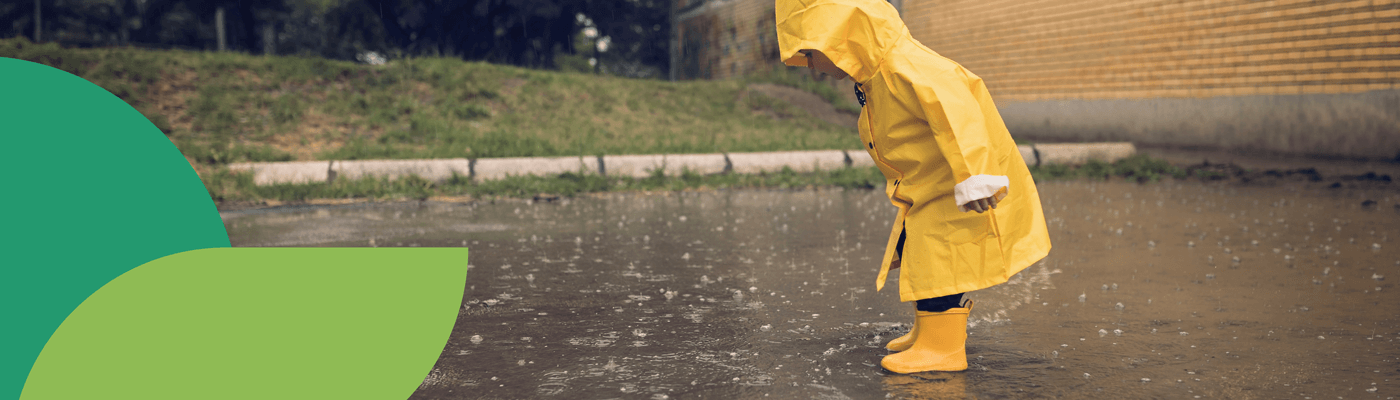
Explore spring. Jump into puddles wearing boots and say fun words such as “squish, » « squash, » and « splash.” Use a stick to draw pictures, letters and shapes in the mud, and talk about each one.
Go for a walk and look for signs of spring
Spring is coming! Here’s a fun idea for preschoolers that is great for building language and literacy skills. Go for a walk and look for signs of spring. Dig under the snow if you have to! Take photos or draw pictures of what you see. When you get home, ask your child what you should print on each picture. Say the letters as you print them. Put the pictures together as a book or poster that your child can show to others.
Look for some of these great books about spring
Visit your local library and borrow some books about spring for toddlers and preschoolers.
Bundle up and take a walk through a maple sugar bush
Sunny days and cool nights make maple syrup. Bundle up and take a walk through a maple sugar bush. Talk about how maple syrup is made. Use descriptive words like « sweet, » « sticky, » and « evaporate. » Stop, look and listen to the sounds of spring.
It's spring! Get outside and play!
It’s spring! Get outside and play! Kids learn best when they’re having fun and experiencing new things. Check out these ideas.
Keep track of the weather
Keep track of the weather on your calendar each day.
Make a book of nature rubbings
Bring crayons and paper outdoors to make a book of nature rubbings.
Pretend to be different animals
Go to the park or out in the back yard and pretend to be different animals. Walk like the animals and make their sounds. Try making animal footprints in the snow or dirt. Talk about which animals are fast and slow, loud and quiet, etc.
Children's movement skills will progress at different speeds
Children’s movement skills will progress at different speeds. Encouraging your child to spend time in active free play will not only help improve their ability to move his or her body, but will also promote physical activity levels and overall physical fitness. Learn more about physical activity for kids. Be sure to talk while you play so that your child is learning language too.
Take a sound walk together
Take a sound walk together. Talk about sounds you hear often and all the new sounds you hear in your area.
Summer
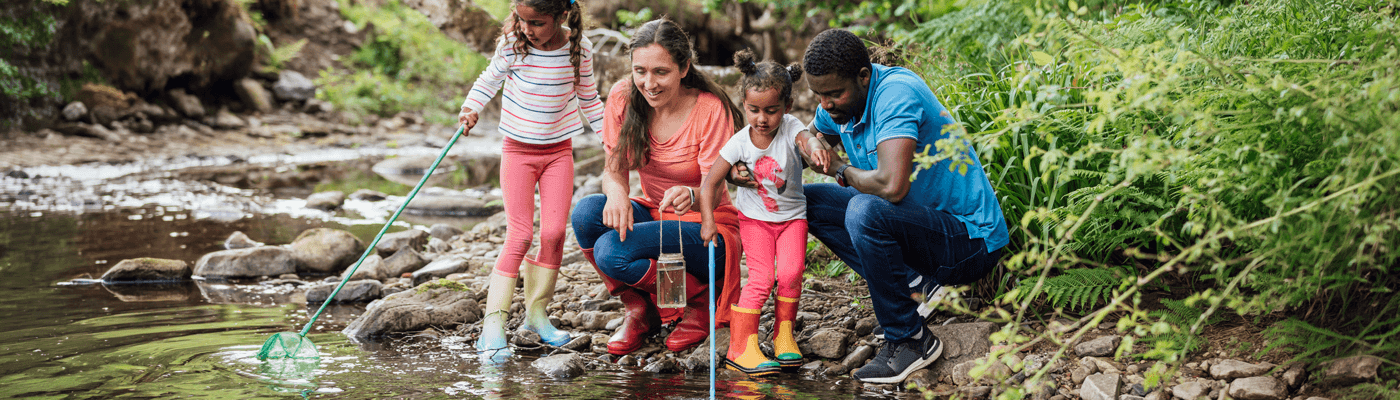
Get outside and play!
Get outside and play! Kids learn best when they’re having fun and experiencing new things. Check out these ideas!
Let's pretend!
Let’s pretend! Imaginary play is an important stage of cognitive development. Go to the beach in your imagination. Encourage your children to pretend they’re swimming in the ocean waves, walking barefoot over the hot sand, or surfing. Pretend to be sharks or crabs doing the crab walk. Have a pretend picnic. Have fun, and don’t forget to talk about what you are doing.
Beach science
Beach science: Dig a hole in the sand and fill it with water. Drop stones, twigs and other objects found on the beach, into the water and see what sinks and floats. Encourage your child to guess first, and talk about why some things float and others don’t.
Rainy day? Take your children to a local museum.
Rainy day? Take your children to a local museum. When you get home, draw pictures of what you saw.
Make regular trips to the library this summer
Hooray, summer is here! Make regular trips to the local library this summer! Check out some of these books.
Rock and sidewalk painting
Get outside and get creative with this simple, fun idea for rock and sidewalk painting. Use the opportunity to teach your child new colour words like « turquoise, » « mauve, » or « tan. »
Play out in the rain
Play out in the rain. Grab your umbrellas, go for a walk, make mud soup, sing in the rain, and hunt for worms.
Take a book to the park
Take a book to the park, to the shore, to the woods, just out the door!
Go on a hike and take photos to make a homemade book
Go on a hike and take photos to make a homemade book. What’s your story?
Art at the beach
Art at the beach. While at the beach collect sticks, stones, shells, and leaves and make some beach art. Give your artwork a title and take a photo of it. Talk about your collection of beach items. Sign your artwork.
Homemade ice cream in a bag
Beat the heat and try this homemade ice cream in a bag recipe!
Let your child go in the mud with bare feet
Let your child go in the mud with bare feet. Talk about how the mud feels in between their toes. Use words like « wet, » « squishy, » « cold, » and « yucky. »
Take a summer stroll together and look for things that are round
Take a summer stroll together and look for things that are round: wheel, merry-go-round, ball.
Go for a walk and talk about what you see
Go for a walk and talk about what you see. Pick up an interesting stone or leaf along the way and take it home. Let your child show it to other people and tell others about where they found it.
Scavenger hunt
Scavenger hunt. Make a list with words and pictures, and then go hunting for everything on the list. This is a great indoor or outdoor activity for older preschoolers.
You can also try hiding seashells around the house or outside and have fun looking for them. Use paper shapes if you can’t get real ones. Count the seashells with your child and talk about the different colours and shapes.
Play follow the leader
Play follow the leader. Use words like « under, » « over, » « through, » « between, » « behind, » and « in front of. »
Fall
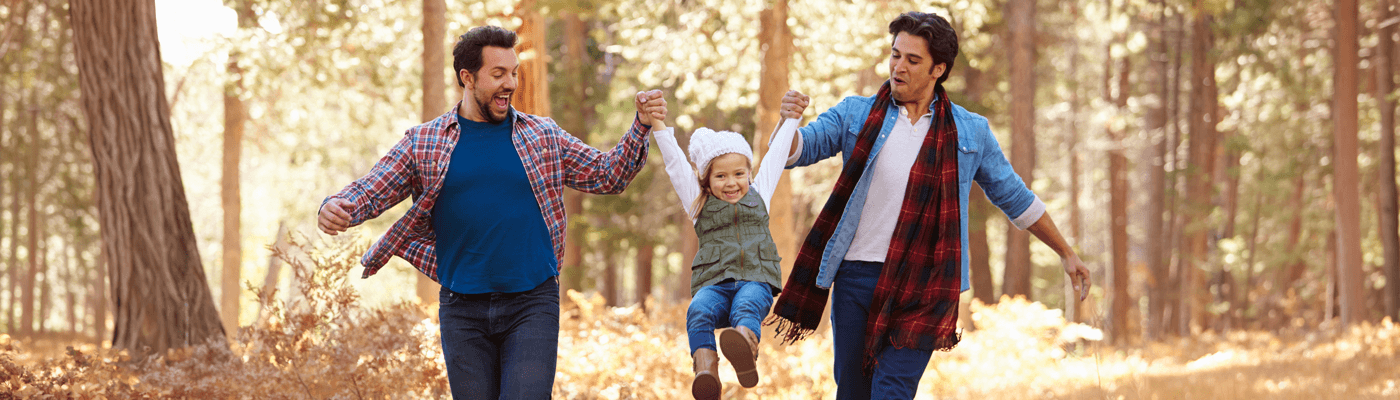
Go on a walk and encourage your child to look for signs of wildlife
Go on a walk and encourage your child to look for signs of wildlife. For each thing your child finds, ask how it got there and what it’s for. Kids learn a lot by thinking and talking about “how” and “why” questions, and not just “what.”
Play wild-style Simon Says
Take a walk on the wild side together. Play a wild-style game of Simon Says with instructions such as “Simon says, twirl like a leaf and hop like a rabbit.” Challenge your child’s listening skills by making the instructions gradually longer and more complicated.
Here's a fun fall tree-painting activity
Here’s a fun fall tree-painting activity. Turn this activity into a language-learning opportunity by introducing some new colour words such as « rust, » or « scarlet. » Ask your child to guess what will happen when the colours are mixed. When you’re done with the trees, try mixing other colours for flowers, grass, etc.
Visit an apple orchard with your child
It’s apple picking season! Visit an apple orchard with your child. Talk about the shapes, sizes, and colours of the apples and bring some home for eating and baking. Make apple sauce or an apple pie together and let your child help with counting, measuring, stirring and adding ingredients.
Go on a nature scavenger hunt
Go on a nature scavenger hunt. Make a list with words and pictures, and then go hunting for everything on the list. This is a great outdoor activity for older preschoolers. Some ideas include leaves of different colours, stones of different shapes, a tree with no leaves, squirrels, a rake, pumpkins, and acorns.
Find out what programs your library is running this fall
Find out what programs your library is offering this fall and sign up your toddler or preschooler. Look for these books while you are there; “Mouse’s First Fall” by Lauren Thompson; “Animals in Fall” by Martha E.H. Rustad and “When the Leaf Blew In” by Steve Metzger.
Go outside on a leaf hunt
Go outside on a leaf hunt with your child. Collect leaves from different trees and talk about their names (maple, oak, beech), different shapes and colours. Keep some and talk about what they look like as they dry.
Make a book of nature rubbings
Bring crayons and paper outdoors to make a book of nature rubbings.
Go to the playground
Go to the playground. Use lots of new words while at the playground like « high, » « low, » « fast, » and « slow. » Talk about how it felt to soar like a bird on the swing.
Winter
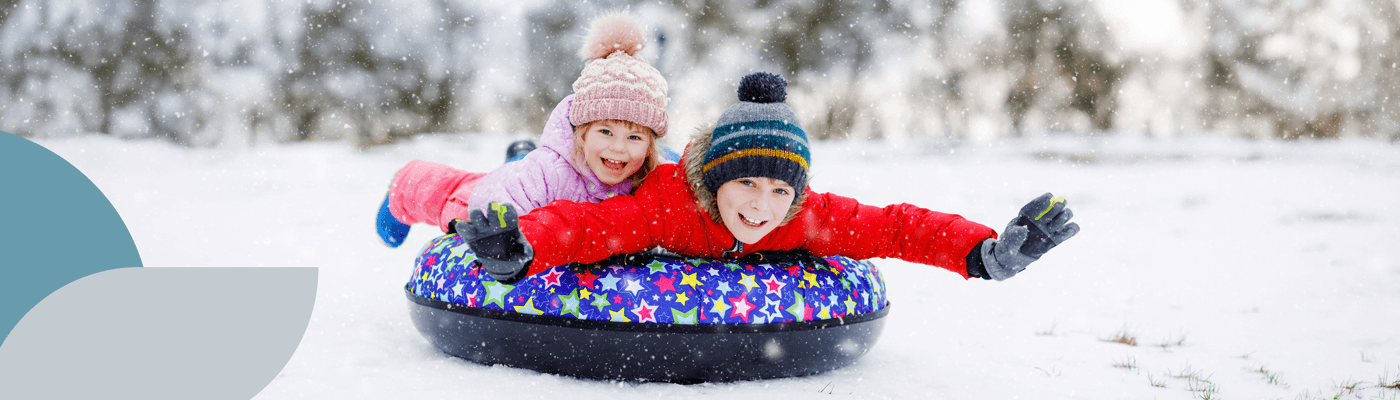
Visit your local EarlyON Centre this winter
Visit your local EarlyON Centre this winter. Check out the schedule of playgroups, other early learning programs, and parent supports available at an EarlyON Centre near you. Preschoolers need opportunities to play with other young children to help develop their social skills and language skills.
Make a snow castle
Take some scoops and plastic containers outside. Shovels, buckets, big serving spoons, and yogurt tubs work well. Have fun filling the containers with snow, packing it down, and dumping the snow out to make a snow castle or a tower.
Have a winter picnic indoors
Have a winter picnic indoors. Have your child help you plan what you need for your picnic. Let them pick the snacks and an activity to play on the picnic blanket.
Make snow letters with your preschooler
Make snow letters with your preschooler. Find sticks and use them to trace your child’s name in the snow. Try stomping out huge letters in an open area. Talk about other things that start with the same letter.
Get outside and play!
Get outside and play! Kids learn best when they’re having fun and experiencing new things. Check out these ideas.
Play dough activity
On a cold winter day do this fun play dough activity together.
Get a ruler and measure the level of snow at different times of the day
Get a ruler and measure the level of snow at different times of the day. Talk about why it changes. Say things like « It’s melting, » or « It’s snowing a lot. »
Take a nature walk and talk about the colours and the weather
Take a nature walk and talk about the colours and the weather. Talk about fun things to do in the snow, make a snow angel, build a snowman, or make footprints, then count and compare their sizes.
Best winter books
Take a trip to the library and find some winter books to snuggle up and read on a cold winter day.
Play I Spy
Play I Spy while outside for a walk or playing in the yard.
Try playing I Spy with letters when driving to and from errands or sports. “I spy the letter « S » on a stop sign. »
Indoor activities

Play Freeze Dance
Play Freeze Dance with your toddler or preschooler. Sing or put on some quiet music and dance along. When the music stops, everyone freezes until it starts again. Another great listening game is “I Hear With My Little Ear.” Collect objects that make sounds (bell, rattle, comb, etc.). Make sure your child can’t see the object and say, “I hear with my little ear, something that goes ___.” See if your child can guess what made the sound.
Read a book together, but do it in a new way
Read a book together, but do it in a new way. Try letting your child “read” while you listen, or playing “I Spy” with the pictures in the book, or having a puppet read the book in a funny way. Try hiding things in the book ahead of time for your child to discover (pictures and puzzle pieces work well).
Try this activity to get your whole family moving
Stuck indoors? Get the whole family moving with this fun activity. Read about volcanoes before and after playing the game, and your kids will learn some new words while they play.
Bowled over
Bowled over: Make a bowling game with 10 plastic cups and a tennis ball. Set it up and roll the ball to knock down the cups. Count how many cups each player knocks down, then add them together to find the total.
Where's That Shape?
Play Where’s That Shape. Go on a shape scavenger hunt by taking turns to find shapes indoors and outdoors. Then try to make each shape with your body. The whole family can work together.
Home restaurant
Home restaurant. Spice up mealtime and have kids create a menu by drawing food items or using grocery flyers. Your kids can take the orders too.
Grocery hunt
Grocery hunt. Write a grocery list with your child (use words and pictures) and let them find all the items in the store or in the cupboards at home. It’s a fun way to do the grocery shopping!
Bouncy rhymes
Bouncy rhymes help build vocabulary by using new words and sounds. Try some rhymes on this website.
Sing the Five Little Ducks song
Sing the Five Little Ducks song. If you do not know the words, listen to it here. When singing with your child, sing much more slowly than in the video. Act out the actions and use your fingers to count.
Tape your child’s printed name to the fridge
Tape your child’s printed name to the fridge to allow them to touch and learn the letters. Trace the letters with your fingers and talk about the names and sounds of each letter.
Create paper plate masks of your favourite animal
Create paper plate masks of your favourite animal. Have fun playing and making animal noises.
Make some music
Make some music. Put beans in a container and shake, shake, shake! Try different objects and talk about the different sounds they make.
Let your child help with simple chores
Let your child help with simple chores around the house. Do the laundry together. Sort by colour, who it belongs to, and the types of clothing.
Make up rhymes with actions
Rhyming is fun! Make up rhymes with actions. Enjoy this poem:
Where did you get that little red nose? (touch nose)
Jack Frost kissed it, I suppose.
He kissed it once, (kiss nose and hold up one finger)
He kissed it twice, (kiss nose and hold up two fingers)
And now your nose is as cold as ice! (shiver)
Go on a colour hunt together
Go on a colour hunt together. How many things can you find that are red, blue, or green in five minutes?
Let your child tell you the story
Pick a book your child knows by heart. Let your child tell you the story.
Do a puzzle together
Do a puzzle together. Take turns putting together the pieces. Talk to your child about how you know which piece to look for: straight edges, colours that match, etc. Have fun making your own puzzles by cutting up pictures from an old calendar, and then putting them back together.
Pretend to be animals
Get active with your preschooler while you pretend to be animals! Add language to the activity by taking turns describing and guessing the animals: “This animal has a long neck, short horns and eats leaves.” “A giraffe!” “Let’s stretch like giraffes!”
1-888-503-8885 or 613-283-2742
