
Legionella and Legionnaires’ disease
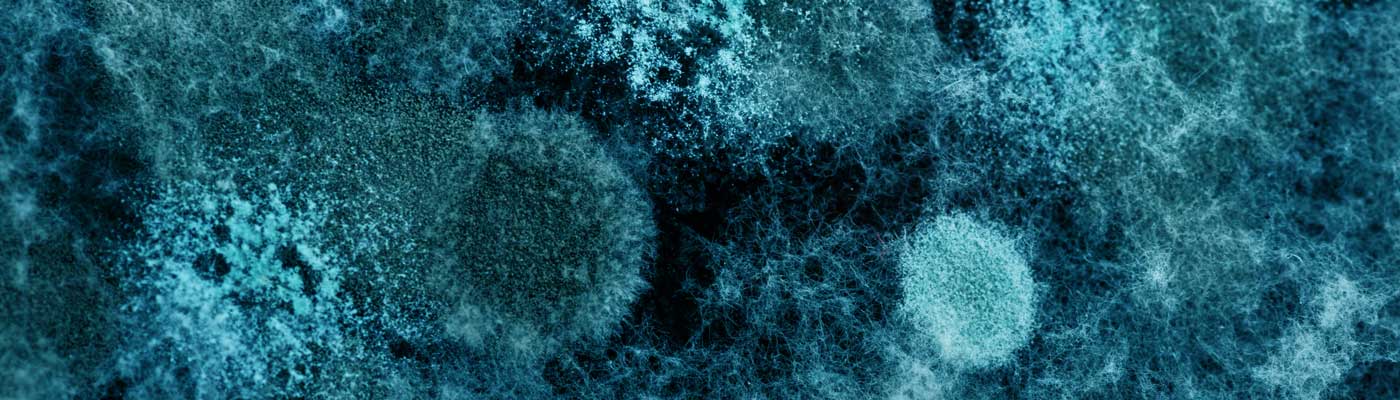
What is Legionella?
Legionella is a type of bacteria found naturally in lakes, rivers, and some soils.
It can also grow and spread in water systems that are not well maintained, including:
- cooling towers
- building plumbing systems
- decorative fountains
- sprinkler systems
- hot tubs, whirlpool baths and spas
- humidifiers
- showerheads and faucets
Legionella can cause:
- Pontiac fever – a mild illness with flu-like symptoms
- Legionnaires’ disease – a serious lung infection (pneumonia)
What is Legionnaires’ disease?
Legionnaires’ disease is a serious lung infection caused by legionella bacteria.
It is treated with antibiotics. Many people need hospital care, but most recover.
About one in 10 people with Legionnaires’ disease die from the illness.
How people get Legionnaires’ disease
Legionella bacteria become a health risk when they grow in water systems or devices that use water, such as cooling towers, showerheads, and humidifiers. These water systems and devices create fine sprays or mists that can contain Legionella bacteria.
People become infected by:
- breathing in small droplets of water that contain Legionella
- accidentally getting contaminated water into their lungs while swallowing (less common)
Legionnaires’ disease is not spread from person to person.
Symptoms
Symptoms usually begin two to 14 days after exposure.
Common symptoms
- Cough
- Fever
- Headache
- Muscle aches
- Shortness of breath
Other symptoms
- Confusion
- Diarrhea
- Nausea
These symptoms are similar to other types of pneumonia. Testing is needed to confirm Legionnaires’ disease.
Who is at higher risk?
Most people exposed to Legionella do not get sick. However, some people are more likely to develop Legionnaires’ disease.
Higher-risk groups include:
- adults aged 50 years and older
- current or former smokers
- people with weakened immune systems
- people with certain long-term health conditions
Health conditions that increase risk
- Cancer
- Chronic lung disease (such as COPD or emphysema)
- Diabetes
- Kidney failure
- Liver failure
- Conditions that weaken the immune system
Some medications can also increase risk, including:
- chemotherapy medicines
- anti-rejection medicines taken after an organ transplant
In rare cases, Legionella can cause infections in other parts of the body, such as the heart or a wound.
How legionella grows
Legionella becomes a problem when it grows in building water systems.
It grows best when:
- slime or buildup (biofilm) forms inside pipes
- water temperatures are between 20°C and 50°C
- disinfectant levels are too low
- water sits still or moves very slowly
Prevention
In buildings and public facilities
Building owners and managers of facilities should have a water management program to help prevent legionella growth and spread. Facilities with large or complex building water systems, cooling towers, or populations at increased risk of Legionnaires’ disease — such as hospitals, long-term care homes, hotels, apartment buildings, and other large buildings — should implement a water management program to reduce the risk of legionella growth and spread.
Even in smaller buildings, a WMP may be needed for specific aerosol-generating devices, such as:
- cooling towers
- hot tubs and whirlpools
- decorative fountains and water features
- respiratory therapy equipment intended for nebulization
- car wash facilities
In vehicles
Windshield washer reservoirs
Legionella can grow in a windshield washer reservoir if it is filled with water instead of windshield washer fluid.
To reduce the risk:
- Use windshield washer fluid made for vehicles
- Follow the vehicle manufacturer’s instructions
- Do not fill the washer reservoir with water only
At home
Flush faucets and showerheads
If a faucet or shower has not been used for a week or longer:
- Run the cold water at full flow for two minutes.
- Turn off the cold water.
- Run the hot water until it becomes hot.
- Turn off the water.
- Avoid splashing as much as possible.
- Open a window or turn on the bathroom fan and step out of the room while the water runs to avoid breathing in spray.
Follow the manufacturer’s instructions for maintaining and flushing your hot water heater.
Clean devices that use water
Portable humidifiers
To prevent bacteria and other germs from growing:
- Empty the water every day.
- Clean the humidifier regularly following the manufacturer’s instructions.
- Allow all parts to air dry.
- Use distilled water, or boiled and cooled water when possible.
CPAP machines
- Clean the mask, tubing, and humidifier chamber regularly.
- Follow the manufacturer’s cleaning instructions.
- Use distilled water if recommended.
- Replace the water regularly.
Showerheads and faucets
- Clean showerheads and faucets when you see mineral buildup or residue.
- Follow the manufacturer’s cleaning instructions.
- Open a window or use an exhaust fan while showering to help remove water droplets from the air.
Hot tubs
- Test disinfectant and pH levels at least twice a day.
- Remove slime or buildup (biofilm) every day.
- Replace filters according to the manufacturer’s instructions.
- Change the water as recommended by the manufacturer.
- See CDC standards for preventing legionella growth in a hot tub.
Water filters
Bacteria that grow in pipe slime can also grow in water filters.
Maintain and replace filters according to the manufacturer’s instructions, including:
- pitcher and countertop filters
- refrigerator and ice-maker filters
- under-sink filters
- showerhead and faucet filters
- building plumbing systems
Additional resources
Legionella (Legionnaires’ Disease and Pontiac Fever) – US Centers for Disease Control and Prevention
Legionellosis (Legionella, Legionnaires Disease) – Public Health Ontario
Legionellosis (Legionnaires’ disease and Pontiac fever) – Public Health Agency of Canada
Legionella in the Indoor Environment – United States Environmental Protection Agency
Overview of Water Management Programs – US Centers for Disease Control and Prevention